
OPENGATES
A Place of Access, Abundance, and Apostolic Power!
“Thy gates shall be open continually…” – Isaiah 60:11
We are delighted to welcome you to OPENGATES.
This ministry is committed to advancing the Christian faith through sound Bible teaching, fervent prayer, and the power of the Holy Spirit.
As inspired by the book of Isaiah 60:11, our doors remain open continually—day and night—to all who seek God’s presence, purpose, and transformation.
We invite you to join us and experience:
A Place of Access, Abundance, and Apostolic Power!
You are always welcome!
Wellbeing Tip of the Month
Stress isn’t always a negative thing. In small amounts, it can sharpen our focus, boost motivation, and help us achieve our goals.
However, when stress becomes overwhelming or persists for too long, it can begin to impact our mental, physical, and emotional wellbeing.
Finding the right balance is key—recognising when pressure is helpful, and when it’s time to pause, reset, and take care of yourself.
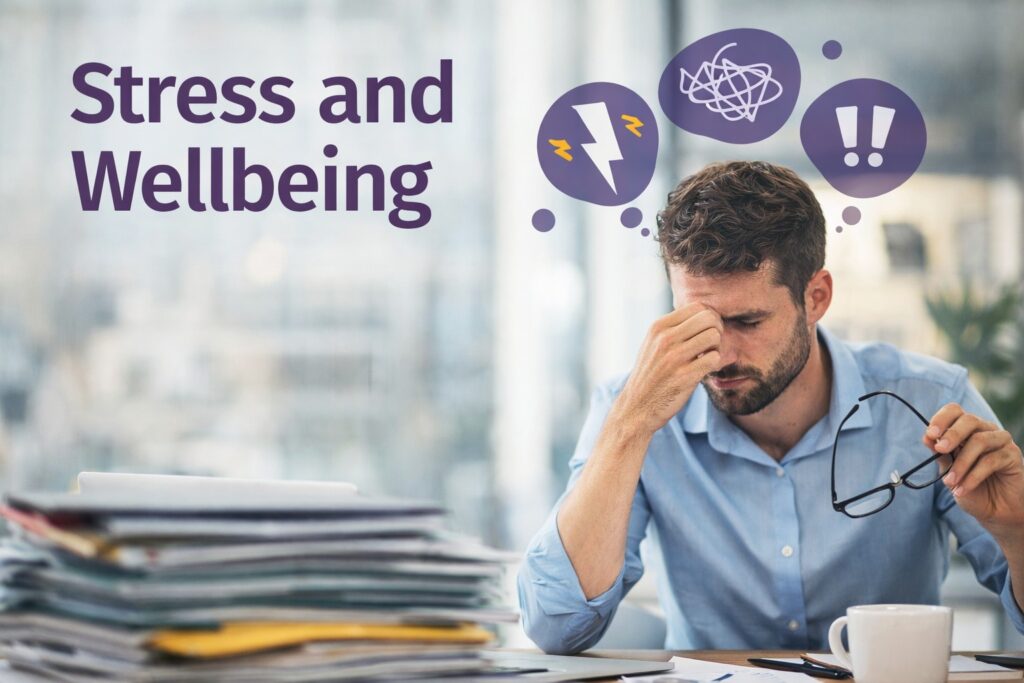
Stress and Wellbeing
Stress is something we all experience—but it doesn’t always look the same. It can affect us physically or mentally, be short-term or long-lasting, and can feel very different depending on the situation. Sometimes it comes from things within our control, and other times from things beyond it.
Our experience of stress is often shaped by our past. Previous life events, personal experiences, and even our own beliefs and perceptions all influence how we respond to challenges. What feels overwhelming to one person may feel manageable to another.
When we feel stressed, our body naturally reacts. This is often known as the “fight or flight” response—a built-in survival mechanism designed to protect us in dangerous situations. However, in everyday life, this response can sometimes be triggered unnecessarily. When that happens, it can affect our ability to think clearly, make decisions, and respond calmly, impacting both our work and home life, as well as our overall health and wellbeing.
Managing Stress: Practical Tips
So, how can we better manage stress when it starts to build? Here are some simple, practical steps to help:
1. Review Your Responsibilities
Take a step back and look at everything on your plate. Are there tasks you can delegate, delay, or even say no to? Reducing your workload—even slightly—can make a big difference.
2. Reassess Your Schedule
Do you realistically have enough time to complete everything in your day? If not, it may be time to adjust expectations, prioritise tasks, and create a more balanced routine.
3. Talk to Someone
You don’t have to manage stress alone. Sharing how you feel with someone you trust—whether that’s a friend, family member, colleague, manager, or a healthcare professional—can provide support and perspective.
4. Prioritise Self-Care
Looking after your physical health plays a big role in managing stress. Try to:
Eat well
Stay hydrated
Keep active
Maintain good sleep habits
Make time for activities you enjoy
5. Know Your Triggers
Everyone experiences stress differently. Pay attention to your personal warning signs and triggers. The more you understand what affects you, the better equipped you’ll be to respond early and take action to reduce stress before it escalates.
Final Thoughts
Stress isn’t always a bad thing—in small doses, it can motivate us and help us perform at our best. But when it becomes constant or overwhelming, it’s important to recognise the signs and take steps to manage it.
By building awareness, making small changes, and reaching out for support when needed, we can create healthier, more balanced ways of working and living.
Source: Stress and Wellbeing – by Andrew Litchfield (Wellbeing Champion)